Sensing and power
Confirm sensing technology, battery type, replacement method and the documented service life for the actual model.
Fire safety
Residential and indoor environments
Enquire about this product ↗Related guides: Smoke alarm beeping · Changing the battery · Compare smoke sensing types
PRODUCT INFORMATION
Standalone smoke detectors support indoor fire safety planning. For distributors and project buyers, power source, sensing technology, alarm output, installation and market requirements should be verified together for each model.
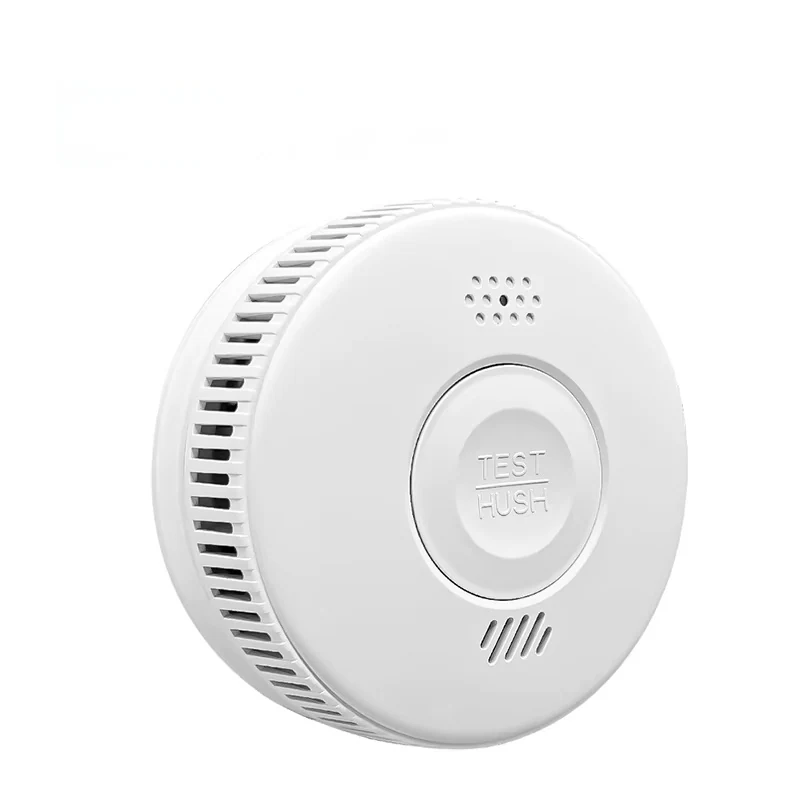
The reference device shows a compact round housing and central test button. It is a fire safety product, separate from wearable PPE, and its configuration must be confirmed against the final sample and instructions.
Use these fields to prepare your enquiry. Final values and documentation depend on the exact model and configuration.
BUYER SELECTION GUIDE
For a distributor or project buyer, the detector’s exact sensing and power configuration must align with the installation and the destination market.
Confirm sensing technology, battery type, replacement method and the documented service life for the actual model.
Review the test function, mounting method, instructions, alarm output and any interconnection requirements.
Request current, model-specific documentation for the intended market and verify the markings, included components and packaging.
Provide destination country, required approvals, quantity, preferred power source, any interconnection needs, logo and packaging requirements.
Inspection & care: Use and maintain the selected device according to its instructions and applicable local requirements; confirm testing and replacement guidance.
PRACTICAL APPLICATIONS
Explore illustrative procurement scenarios for this product. They are planning examples, not completed customer projects.
A distributor comparing detectors can request the model number, power configuration, instruction manual and relevant documentation before deciding on order quantities.
A project buyer can provide the destination market and installation requirements, then confirm the correct device and documentation with the responsible installer.
FIRE SAFETY DISTRIBUTION · SMOKE DETECTION
A fire-safety wholesaler wants to evaluate a standalone smoke alarm for resale. Before choosing packaging, they need to understand how the selected device is powered, tested and documented.
ILLUSTRATIVE EXAMPLE
Not a completed customer project
Send your destination, required documents and power preferences to discuss the appropriate model.
Discuss this product ↗BEFORE YOU ORDER
FREQUENTLY ASKED QUESTIONS
The reference sources show inconsistent battery descriptions. Confirm the battery and replacement method for the exact model.
The pictured device has a central test button. Follow the final model’s instructions and applicable local guidance for testing and maintenance.
Interconnection depends on the specific model; confirm whether it is supported before ordering.
Minimum order quantities vary by model and customization. Send your required quantity, logo and packaging details for confirmation.
Yes. Tell us the selected configuration and destination so sample availability and terms can be confirmed.
EXPLORE MORE